-
Conexus 5.0: rename, Claude Desktop, stable releases

Three changes in 5.0. Each clears a blocker. The rename The Claude Code plugin moved from nx to conexus. Slash commands followed: /conexus:research, /conexus:rdr-gate, and the rest. Install: Nx (the JS monorepo tool) shipped a Claude Code plugin under the same name in Q1. Renamed. The PyPI package was already conexus. The CLI binary stays… Continue reading
-
Installing Nexus

Post 00 of the Nexus series: install the CLI, install the plugin, take a short tour. Post 0 explains what you have installed; this post just gets it on your machine. This post takes a fresh laptop to a working Nexus install in about ten minutes. Nothing in here requires an API key or an… Continue reading
-
How I actually use Nexus

Post 0 of the Nexus series: the conceptual companion to Installing Nexus. Code is knowledge work, and the agent team needs the same knowledge as the developer to do its job. Software development is knowledge work. The developer team writing the code curates and contributes to that knowledge as the work proceeds; the LLM agent… Continue reading
-
Operators as building blocks

Post 5 of the Nexus series: tiny agents, one job each, composable into a DAG. What a plan is made of Write programs that do one thing and do it well. Write programs to work together. (Doug McIlroy, Bell Labs, 1978) Plans, not replanning was about the plan library: saved query-shapes that Nexus tries to… Continue reading
-
Plans, not replanning

Post 4 of the Nexus series: why a runtime library of saved query plans beats cold-start LLM replanning on every query. The plan you already wrote Point of view is worth 80 IQ points. (Alan Kay) The previous post, Decisions as indexed data, was about refusing to let design decisions evaporate into chat history. This… Continue reading
-
Decisions as indexed data: a traction control system for AI development

Post 3 of the Nexus series: bringing design decisions into the project’s indexed knowledge. The catalog has decisions in it Wholly new forms of encyclopedias will appear, ready made with a mesh of associative trails running through them… (Vannevar Bush, “As We May Think”, 1945) In the last post, Typed links and the catalog introduced… Continue reading
-
Typed links and the catalog

Post 2 of the Nexus series: the graph that sits next to the vector store. The catalog In Xanadu did Kubla Khan / A stately pleasure-dome decree… The Nexus catalog is a metadata layer that sits alongside ChromaDB, tracks every indexed document, and carries typed links between them. It’s what turns the flat vector store… Continue reading
-
Nexus, by example

Post 1 of the Nexus series: an explainer walking through the Delos corpus. What Nexus Is So Nexus is the knowledge system I’ve been building to make my work stick, and to give the AI agents I work with something durable to lean on across sessions. It indexes code, prose, PDFs, and decision records into… Continue reading
-
Again With the Subdivision and Modularization

I need a break from Delos, and so I’m back on one of my many other Hobby Horses; that being the subdivision of space. Not for pure mathematical curiosity, mind. Rather, as a mechanism to store and retrieve Assets from ye storage in a networked, virtual environment. It’s what got me back into blogging again,… Continue reading
-
The Sincerest Form Of Flattery
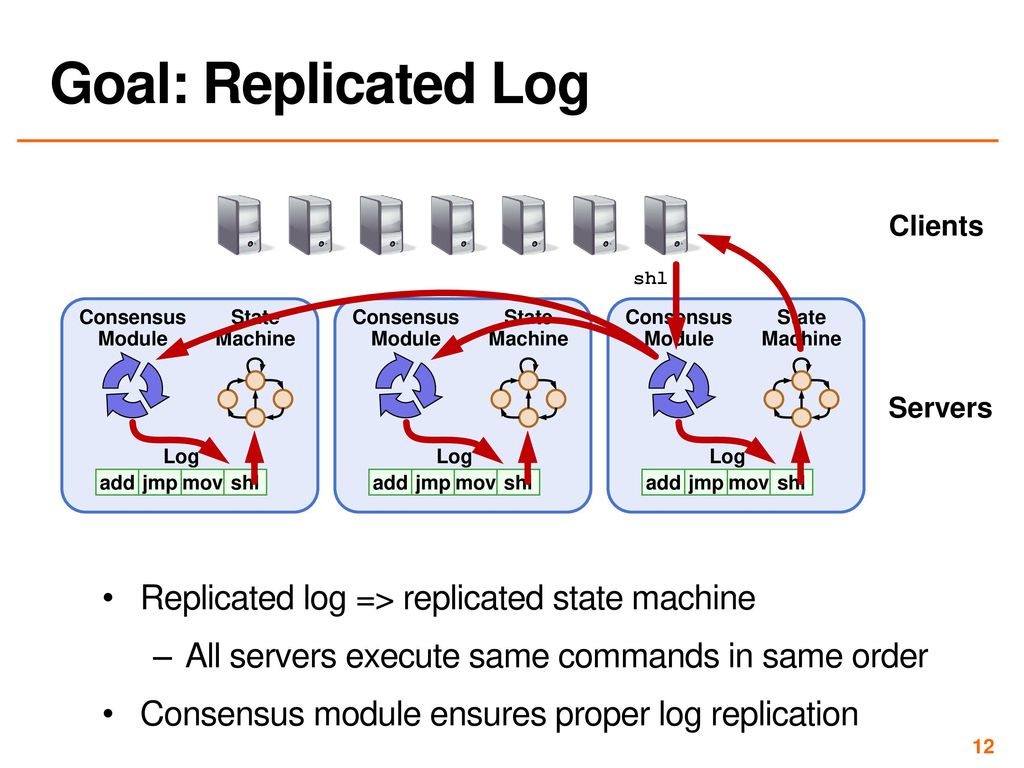
There was a bit of a to do lately with Cloudflare’s Durable Objects which prompted me to go looking for anyone who has done replicated SQL state machines using SQLite. And it turns out there’s a lot of them, which is kind of cool. Couple of different strategies used, of course, ranging from a CDC… Continue reading
