
Nexus
-
Conexus 7.6.1: the road from 5.0

Eighty-three releases in eleven weeks. The short version: the entire storage substrate was replaced under a running system, upgrades collapsed to one command, the agent workflow layer went from written convention to enforced mechanism, and the system learned to tell the truth about its own failures. Upgrading is the same as it has been since… Continue reading
-
Installing Nexus

Post 00 of the Nexus series: install the CLI, install the plugin, take a short tour. Post 0 explains what you have installed; this post just gets it on your machine. Updated August 2026 for conexus 7.16.x. The original April version of this post described the 4.x install, which stored vectors in ChromaDB. Conexus 6.0… Continue reading
-
How I actually use Nexus

Post 0 of the Nexus series: the conceptual companion to Installing Nexus. Code is knowledge work, and the agent team needs the same knowledge as the developer to do its job. As I write this, my catalog holds just over 19K documents across 72 projects. The inventory includes the source files from every repo I… Continue reading
-
Operators as building blocks

Post 5 of the Nexus series: tiny agents, one job each, composable into a DAG. What a plan is made of Write programs that do one thing and do it well. Write programs to work together. (Doug McIlroy, Bell Labs, 1978) Plans, not replanning was about the plan library: saved query-shapes that Nexus tries to… Continue reading
-
Plans, not replanning

Post 4 of the Nexus series: why a runtime library of saved query plans beats cold-start LLM replanning on every query. The plan you already wrote Point of view is worth 80 IQ points. (Alan Kay) The previous post, Decisions as indexed data, was about refusing to let design decisions evaporate into chat history. This… Continue reading
-
Decisions as indexed data: a traction control system for AI development
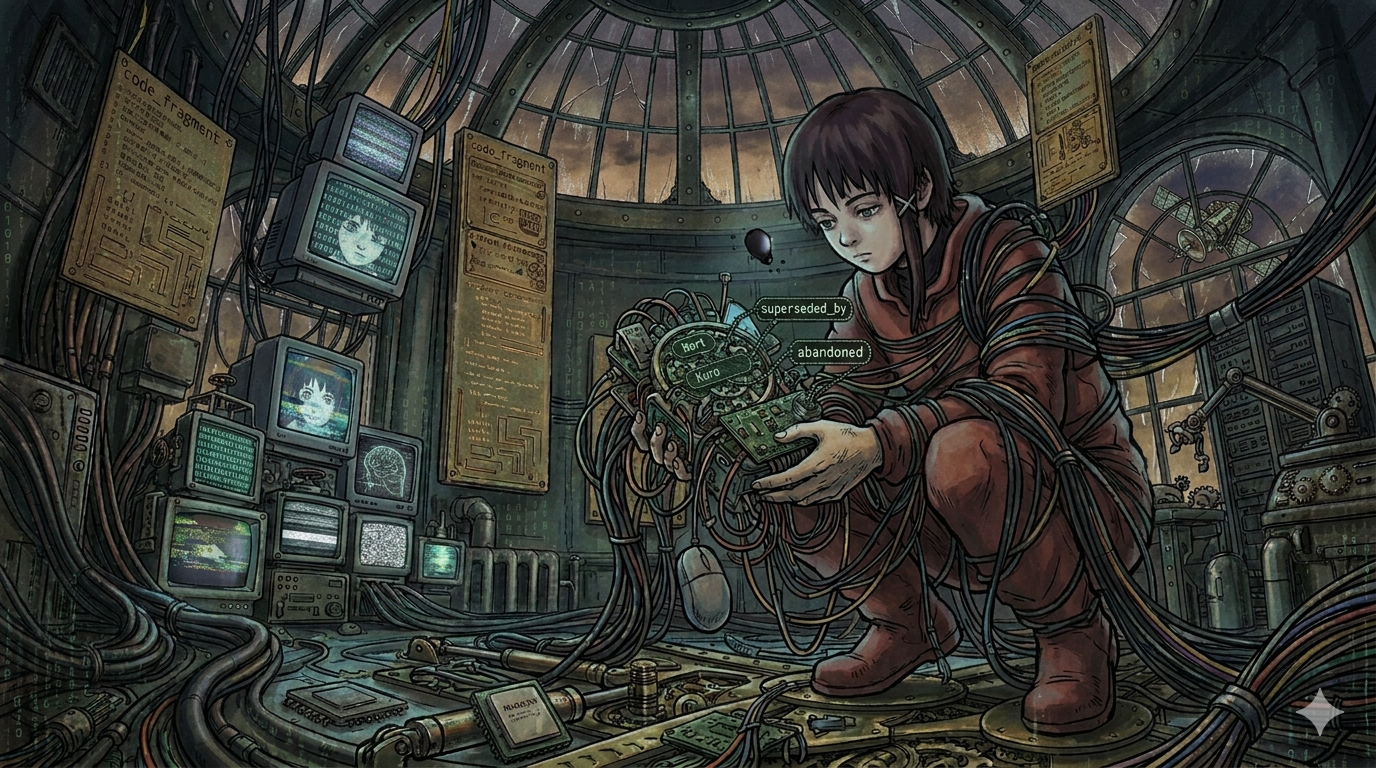
Post 3 of the Nexus series: bringing design decisions into the project’s indexed knowledge. The catalog has decisions in it Wholly new forms of encyclopedias will appear, ready made with a mesh of associative trails running through them… (Vannevar Bush, “As We May Think”, 1945) In the last post, Typed links and the catalog introduced… Continue reading
-
Typed links and the catalog

Post 2 of the Nexus series: the graph that sits next to the vector store. Revised August 2026: the storage substrate has moved since this post first ran (PostgreSQL and pgvector everywhere; ChromaDB and SQLite retired). Transcripts, numbers, and internals below are re-run against the current system. The catalog In Xanadu did Kubla Khan /… Continue reading
-
Nexus, by example

Post 1 of the Nexus series: an explainer walking through the Delos corpus. Revised August 2026: the storage substrate has moved since this post first ran (PostgreSQL and pgvector everywhere; ChromaDB and SQLite retired). Transcripts, numbers, and internals below are re-run against the current system. What Nexus Is Nexus is the knowledge system I’ve been… Continue reading